6 Key Trends in Commercial Asphalt Paving for Better Durability and Longevity
The commercial paving industry is continuously evolving, with new technologies and methodologies emerging to enhance the durability and longevity of pavement surfaces. Modern property managers recognize that traditional methods are no longer sufficient to handle escalating traffic volumes and severe weather patterns. Upgrading infrastructure requires a thorough understanding of modern advancements, adopting a forward-thinking approach to pavement management and shifting from an optional upgrade to a necessity.
Staying informed about sector dynamics helps stakeholders maximize structural investments and reduce long-term maintenance costs. As global infrastructure needs expand, the market continues to rely heavily on proven surfacing solutions. Incorporating these innovative practices allows organizations to achieve superior surface quality while ensuring their infrastructure remains highly resilient and capable of performing reliably for decades.
1. Adopt Advanced Materials and Additives
Embracing modern material science is essential for creating robust surfaces that withstand heavy loads. Polymer-modified asphalt has become a cornerstone in commercial projects due to its enhanced elasticity and improved resistance to varied weather conditions. These polymers provide greater durability against thermal cracking and rutting. Concurrently, utilizing recycled asphalt pavement helps contractors minimize waste. Integrating these recycled components ensures excellent structural strength while contributing to sustainable resource management across the modern asphalt paving field.
Beyond recycled components, nano-technology additives represent a groundbreaking innovation aimed at improving structural integrity. These microscopic particles enhance the chemical interaction between binder and aggregate, leading to a highly cohesive mix that mitigates cracking under mechanical stress. In tandem with these additives, warm mix asphalt technologies allow crews to apply mixtures at reduced temperatures. This temperature adjustment lowers production emissions, facilitates better field compaction, and works beautifully alongside plant-based bio-binders to replace traditional petroleum products.
2. Implement Innovative Construction Techniques
Deploying advanced engineering methodologies during the initial build phase prevents premature degradation and extends operational lifespans. As a major driver of infrastructure, this engineering sector commands a massive market presence. According to Snsinsider.com, the asphalt paving segment accounted for the largest market share at approximately 58% of the broader asphalt manufacturing industry back in 2024. Full-depth reclamation stands out as an excellent technique that enhances pavement strength by pulverizing and recycling existing site layers with stabilizing agents. This process creates an incredibly resilient base without complete removal.
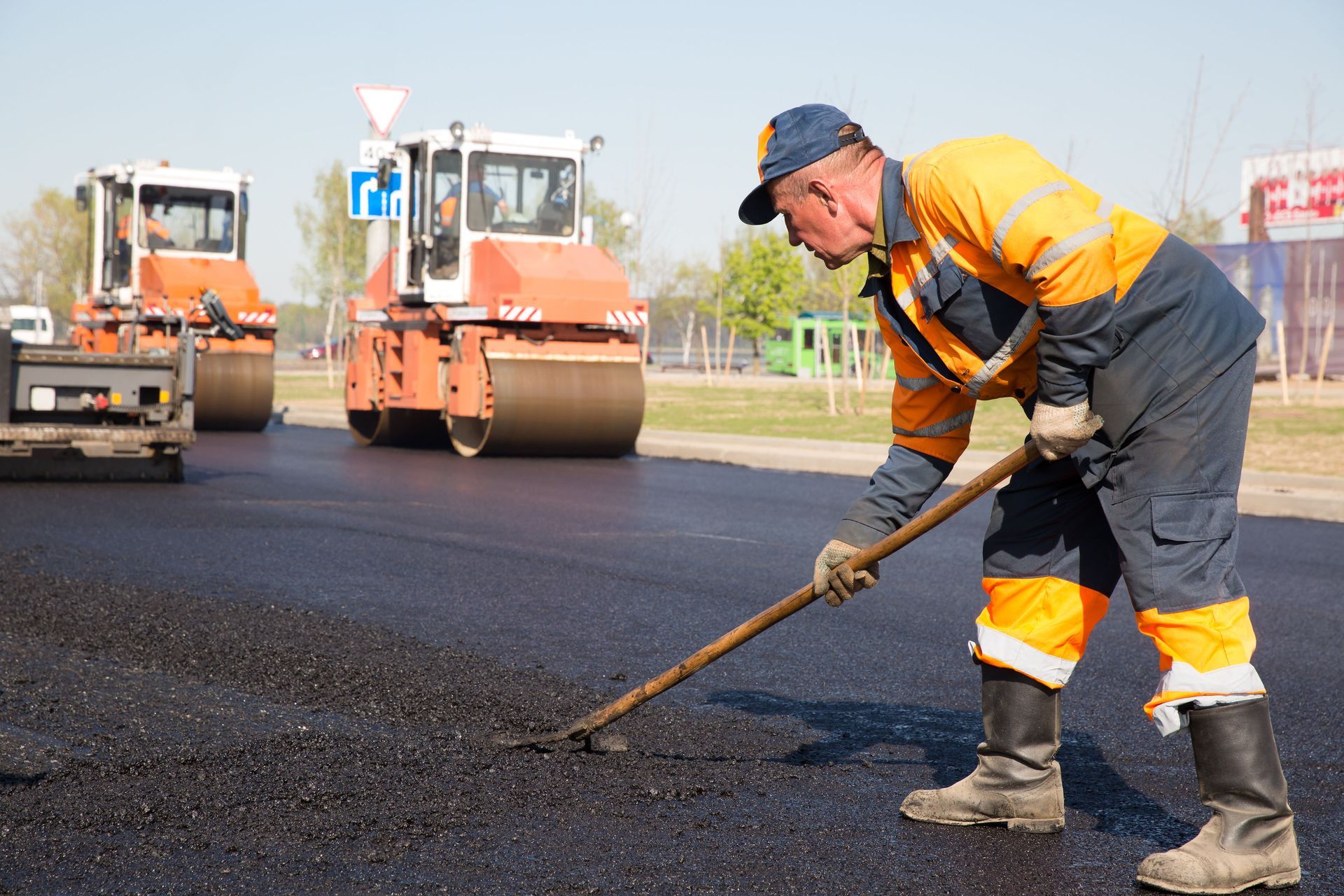
Similarly, executing a perpetual pavement design involves layering distinct mixtures to absorb heavy traffic stress. This architectural approach optimizes commercial asphalt paving projects, ensuring that routine wear remains confined to the surface layer. To achieve maximum structural consistency, modern crews rely heavily on intelligent compaction systems and precise grading technology. Intelligent compaction utilizes real-time sensor data and GPS tracking to monitor roller passes, ensuring uniform density across the surface, which prevents under-compaction and early potholes.
3. Adapt to Climate and Weather Challenges
Designing infrastructure to survive severe weather patterns is critical for modern asset protection. Engineers now utilize temperature-responsive mixtures formulated to maintain structural integrity across extreme seasonal shifts, preventing summer softening and winter cracking. Complementing these mixtures, moisture-resilient layouts incorporate advanced subsurface drainage networks and water-resistant materials. These design considerations safeguard the structural matrix against internal water damage. Addressing environmental threats proactively allows managers to preserve surface quality, making weather adaptation a primary focus within modern industrial asphalt paving operations.
Mitigating surface heat represents another vital defense against climate-induced degradation. Solar-reflective coatings lower surface temperatures significantly, protecting the underlying bitumen binder from aging prematurely and severe rutting. In colder regions, specialized aggregate selections help mitigate the destructive effects of repetitive freeze-thaw cycles. These flexible material blends allow the surface to expand and contract smoothly without fracturing. Integrating stabilized shoulders and robust runoff barriers provides vital erosion resistance, keeping pavement edges safe from heavy rainfall and high winds.
4. Prioritize Sustainable and Eco-Friendly Practices
Reducing the ecological footprint of large-scale infrastructure projects has evolved into a core corporate responsibility. Lower carbon footprint technologies, such as energy-efficient plant machinery and low-temperature mixing processes, are significantly cutting greenhouse gas emissions. Contractors are actively minimizing reliance on virgin aggregates by repurposing industrial byproducts into daily operations. Embracing a circular economy model reduces the volume of construction waste sent to local landfills, demonstrating how modern asphalt paving can harmonize with strict environmental regulations while delivering exceptional durability.
Environmental stewardship extends beyond production plants directly to the job site through eco-friendly surface coatings. Applying water-based sealants and products with low volatile organic compounds protects surfaces without releasing harmful chemicals into nearby ecosystems. Many forward-thinking organizations also pursue prestigious green certification programs like LEED to validate their sustainable methods. These programs encourage the adoption of resource-saving tactics and waste management innovations, proving that green construction practices enhance long-term property values while protecting natural resources for future generations.
5. Integrate Smart Technology and Analytics
Incorporating digital tools into infrastructure management marks a massive leap forward for preventative maintenance. The Internet of Things allows engineers to embed intelligent sensors directly into the pavement matrix to gather real-time data. These devices continuously monitor traffic volume, shifting internal temperatures, and structural strain. This constant stream of data feeds directly into advanced predictive analytics algorithms, which accurately forecast potential failure points long before visible damage occurs. This foresight optimizes modern asphalt paving management, enabling asset managers to deploy targeted interventions before minor wear becomes an expensive issue.
On-site construction operations benefit equally from automation and high-tech aerial monitoring. Automated paving systems utilize robotic guidance mechanisms to lay material with flawless thickness and unprecedented smoothness, eliminating human error entirely. To streamline planning, engineers create digital twins, which are virtual models used to simulate traffic stress and weather impacts before breaking ground. Project managers also deploy autonomous drones equipped with high-resolution cameras to conduct rapid, non-invasive visual inspections across massive commercial properties safely and efficiently.
6. Enhance Maintenance and Preservation Techniques
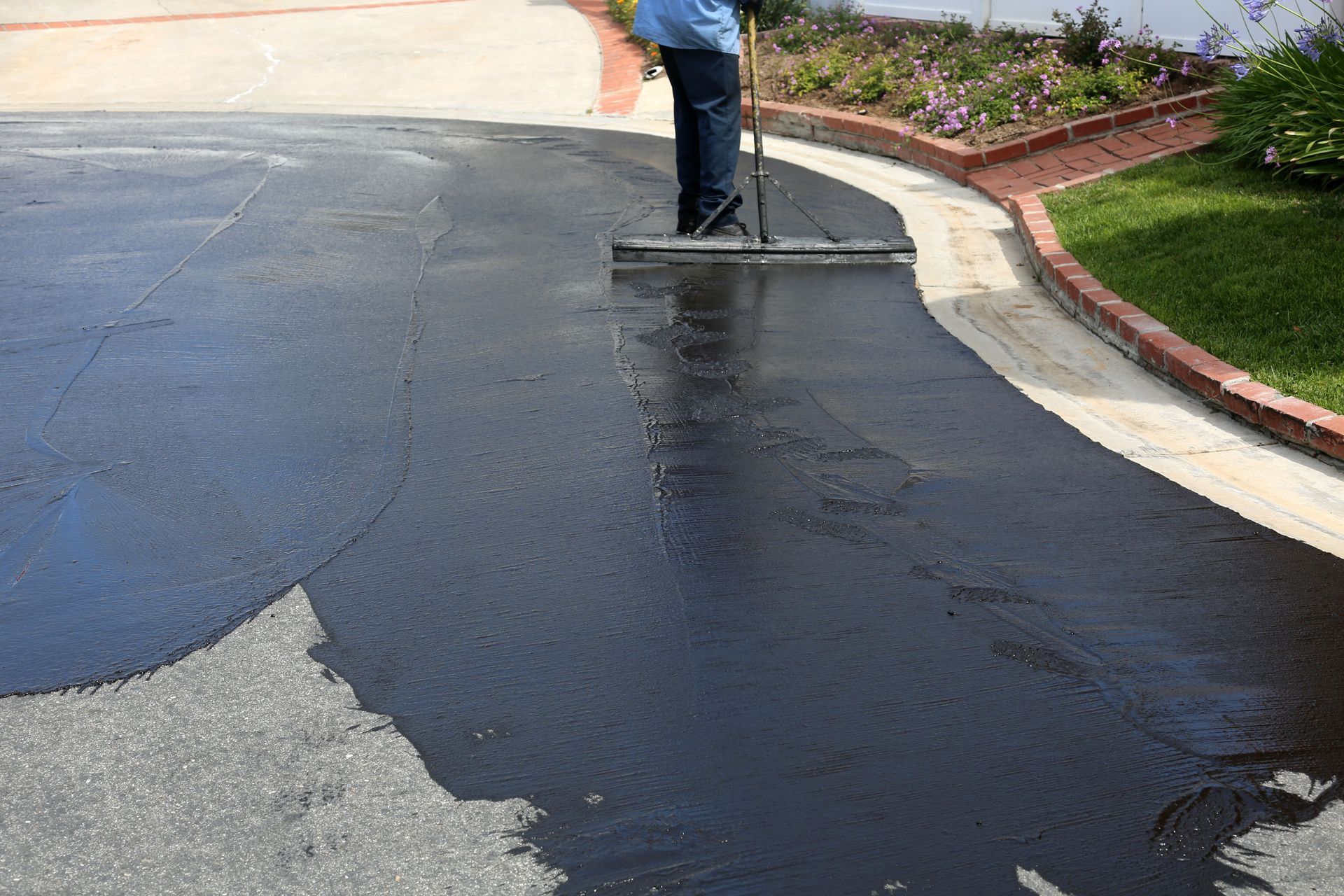
Executing a structured upkeep schedule remains the most cost-effective method to protect commercial property investments. Timely sealcoating creates a robust defensive shield that blocks damaging ultraviolet rays, oil spills, and chemical stains. Concurrently, routine crack sealing prevents water from penetrating the surface and undermining the gravel subbase. By stopping moisture intrusion early, these simple preservation actions halt the progression of minor cracks, ensuring the structural block remains intact and extending the overall life of the commercial pavement installation.
For older surfaces exhibiting moderate wear, micro surfacing provides an excellent rejuvenation method without the high costs of complete replacement. This technique applies a specialized blend of polymer-modified emulsion and fine aggregates to restore skid resistance and fill shallow ruts quickly. Because micro surfacing cures rapidly, traffic disruptions are kept to an absolute minimum. Establishing a comprehensive preservation regimen ensures that minor flaws are corrected immediately, shifting property management away from costly reactive repairs toward a highly predictable lifecycle model.
The ongoing evolution of materials, construction techniques, and digital monitoring systems is completely transforming how commercial properties manage infrastructure. Investing in these modern trends ensures that high-traffic surfaces remain resilient against harsh weather and heavy vehicular loads for decades. Property owners who embrace these innovations secure superior performance, minimal downtime, and significant long-term financial savings with their asphalt paving.
Achieving a flawless, long-lasting surface requires partnering with experienced professionals who understand these cutting-edge methodologies. When you are ready to upgrade your commercial property, please contact us at Gierach's Grading & Paving Inc today so we can implement these advanced trends on your next project. Let us help you build a stronger, more sustainable, and highly resilient foundation for your business's future.
Share On: