When Is the Right Time to Schedule Asphalt Sealcoating?
Paved surfaces represent essential structural investments for residential neighborhoods, corporate office complexes, commercial retail centers, and industrial facilities. Whether serving as high-volume thoroughfares, parking zones, or residential driveways, blacktop surfaces endure constant exposure to heavy vehicular traffic, ultraviolet radiation, shifting seasonal weather, and corrosive automotive chemicals. Over time, these environmental stressors strip asphalt of its natural elasticity, leaving the aggregate vulnerable to moisture penetration, surface unraveling, and foundational instability. Scheduling professional asphalt sealcoating at the appropriate moment serves as the primary defensive barrier against premature structural deterioration, preserving smooth rideability and restoring rich dark coloration.
Determining the precise timing for surface protection requires careful observation of environmental factors, pavement age, and physical wear indicators. Applying protective sealants prematurely can trap volatile oils beneath an impermeable barrier, while delaying application allows moisture to infiltrate deep structural layers and trigger catastrophic base failure. Property owners and facility managers who understand the optimal conditions for surface treatment can extend the functional lifespan of their pavement significantly. By recognizing early signs of degradation and planning around favorable seasonal weather patterns, managers ensure their pavement remains resilient, safe, and visually appealing throughout years of demanding service.
Evaluating Atmospheric and Weather Conditions
Atmospheric conditions dictate the success or failure of any liquid pavement sealant application. Emulsion sealants require specific ambient temperatures and low humidity to cure into a durable, cohesive membrane. Technicians generally schedule application during warm, dry weather characterized by sunny skies and mild breezes that promote steady water evaporation from the wet compound. Applying protective sealants during excessively cold or humid conditions prevents proper film formation, resulting in a fragile layer that peels away under early vehicular friction.
Rainfall poses an even more immediate threat to uncured protective emulsions. If precipitation falls before the material forms an initial skin, the water washes away wet binders, leaving behind streaked surfaces and contaminating adjacent stormwater runoff systems. Furthermore, ground temperatures must remain adequately elevated during both the application and curing phases, as chilly pavement chills the emulsion prematurely and inhibits molecular cross-linking. Experienced specialists monitor regional weather forecasts meticulously before applying asphalt sealcoating, selecting dry atmospheric windows that ensure uniform adhesion and rapid, resilient curing.
Assessing Visible Surface Oxidation and Wear
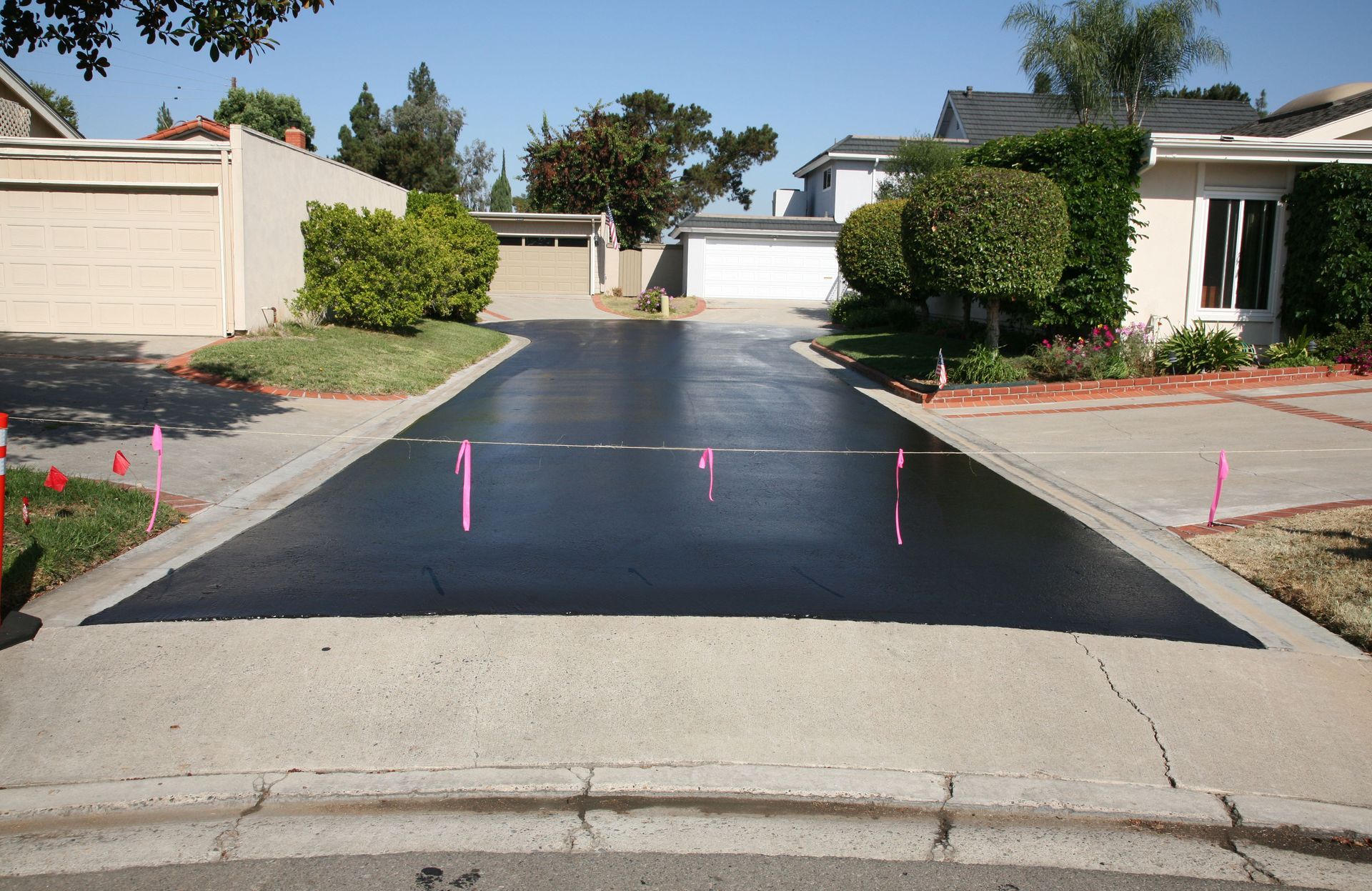
Visual inspection provides unmistakable clues regarding when pavement requires rejuvenative protection. Freshly installed blacktop possesses a deep, jet-black appearance due to the rich bitumen oils that bind sand, stone, and mineral aggregate together. However, relentless exposure to ultraviolet sunlight and ambient oxygen initiates an oxidation process that gradually bleaches the surface to a pale slate gray. As oxidation progresses, the asphalt binder loses essential flexibility and becomes brittle, shedding loose aggregate and creating a rough, abrasive surface texture.
When a blacktop surface transitions from rich charcoal to dull gray and sheds surface fines, the internal binder is actively drying out. Applying a protective emulsion at this stage halts ultraviolet degradation, replenishes essential surface binders, and locks fine aggregate tightly into the pavement matrix. According to statistical reporting from ZipDo, global asphalt manufacturing reaches 2.1 billion tons annually. This massive production volume highlights the extraordinary scale of worldwide road and pavement infrastructure, demonstrating why maintaining existing surfaces through timely asphalt sealcoating is essential for protecting valuable paved assets from relentless environmental wear.
Timing Protection for Newly Paved Surfaces
A common misconception among property owners is that brand-new pavement should be sealed immediately following roller compaction. Fresh asphalt requires ample time to cure fully, a process during which lighter hydrocarbon oils evaporate from the hot mix. If a sealant is applied over fresh blacktop before these light oils dissipate, the impermeable film traps residual oils beneath the surface. This entrapment softens the pavement structure, leaving it susceptible to unsightly tire rutting, gouges from power steering maneuvers, and premature surface delamination.
Pavement specialists generally recommend allowing new surfaces to undergo several months of weathering, direct sunlight, and regular atmospheric exposure before introducing surface treatments. During this initial curing window, rain cycles rinse away light surface oils while sun exposure stabilizes the binder matrix. Once the pavement surface successfully sheds excess oil without showing deep indentations under parked vehicles, applying asphalt sealcoating locks in optimal structural firmness and establishes an enduring protective shield before winter weather arrives.
Addressing Developing Cracks and Surface Fissures
Moisture infiltration represents the single most destructive mechanism acting upon paved infrastructure. When thermal contraction, ground settlement, or traffic stress causes hairline cracks to emerge along the pavement face, water seeps into the subbase layer. In cooler regional climates, trapped subterranean moisture freezes and expands, fracturing surrounding aggregate and generating hollow pockets beneath the pavement. As heavy vehicles pass over these subterranean voids, unsupported asphalt collapses, resulting in hazardous potholes that disrupt traffic and threaten vehicle suspensions.
Applying protective sealant directly over open, unsealed cracks provides inadequate protection against water intrusion. Professional contractors inspect developing fissures carefully, routing out debris and filling cracks with hot-pour rubberized joint sealant prior to treating the broader pavement expanse. Integrating thorough crack sealing with comprehensive asphalt sealcoating seals off vulnerable subterranean pathways, preventing moisture from destabilizing the underlying subgrade. Addressing cracks promptly restores structural continuity and ensures that subsequent protective coatings perform effectively over years of heavy service.
Coordinating Commercial Traffic and Downtime Windows
For commercial enterprises, industrial distribution parks, and retail centers, timing surface maintenance requires balancing optimal weather conditions with operational business demands. Pavement cannot accommodate vehicular traffic immediately following emulsion application; doing so causes unsightly tire marks, scuffs the delicate uncured film, and tracks black sealant across concrete walkways or interior flooring. Facility directors must establish a clear logistical schedule that minimizes disruption to customer access and tenant operations.
Commercial contractors frequently implement phased maintenance plans, dividing broad parking lots and drive lanes into distinct operational zones. Crews complete preparation, crack repair, and material placement across designated sections while redirecting traffic through alternate lanes. By coordinating projects over holiday weekends or low-traffic intervals, businesses provide sealants with uninterrupted drying time. Engaging skilled professionals for commercial asphalt sealcoating ensures efficient project staging, clear safety signage, and rapid turnaround that respects operational workflow while providing comprehensive surface protection.
Establishing a Proactive Pavement Maintenance Cycle
Rather than treating surface maintenance as a reactive response to visible damage, successful facility operators approach pavement management through a structured, proactive schedule. Waiting until blacktop exhibits widespread spiderweb cracking, sunken depressions, or aggregate unraveling results in extensive structural rehabilitation rather than routine surface rejuvenation. Regular visual audits conducted during spring and autumn allow property managers to evaluate sealant wear and schedule restorative work before serious decay takes hold.
A consistent maintenance cycle establishes an enduring protective barrier that shields pavement from gasoline leaks, hydraulic fluid drippings, motor oil stains, and road salts. Reapplying high-grade sealant at disciplined intervals replenishes lost binding oils and maintains a water-resistant canopy over the asphalt base. Routine asphalt sealcoating preserves smooth surface textures, enhances lot striping visibility, and maintains uniform curb appeal across entire properties, ensuring that commercial and residential pavements deliver outstanding functionality for decades.
Maintaining durable, high-performance blacktop demands strategic foresight, careful environmental observation, and meticulous application practices. By scheduling surface protection during favorable weather windows, allowing new installations sufficient curing time, and addressing structural fissures early, property owners protect their pavement against severe weather extremes and relentless vehicular loads.
If you are ready for professional pavement preservation that protects your surfaces and enhances curb appeal, contact us at Gierach's Grading & Paving Inc today. We will help you evaluate your pavement conditions and implement a customized protection plan tailored specifically to your property needs.
Share On: